Food hygiene and professional sanitation experts in Brampton assist you in maintaining restaurants, food supply centers, baking operations, warehouses, and food service units to code. They sanitize frequently touched areas, food preparation zones, equipment, floors, drains, restrooms, and prep areas using certified sanitizers, correct concentration, and documented exposure durations.
Important Highlights
- Brampton's sanitation specialists maintain restaurants, grocery departments, commissaries, warehouses, bakeries, schools, mobile vendors, and allergen-sensitive operations.
- They clean frequently contacted areas, food-contact equipment, kitchens, floors, drains, restrooms, and storage areas using zone-based workflows to prevent cross-contamination.
- Approved sanitizer dilution, suitability, and exposure duration are checked by trained contractors, with finishing logged via tests, assessments, and remedial documentation.
- Threat, throughput, transitions, releases, and regulations need to shape hygiene calendars, with daily, periodic, and annual operations allocated by area.
- Select providers with hazard analysis knowledge, public-health, understanding, safety training, preparation, liability, endorsements, colour-coded instruments, and assessment-ready cleaning documentation.
What Brampton Facilities Require Food Safety Cleaning?
Food safety cleaning is required for any Brampton facility that handles, maintains, prepares, packages, or offers food. Apply it to your facility if it falls within public health inspection, food premises regulations, or internal HACCP-based controls. This includes eateries, cafes, warehouses, supermarket areas, meat markets, fish stands, convenience outlets, and institutional food areas.
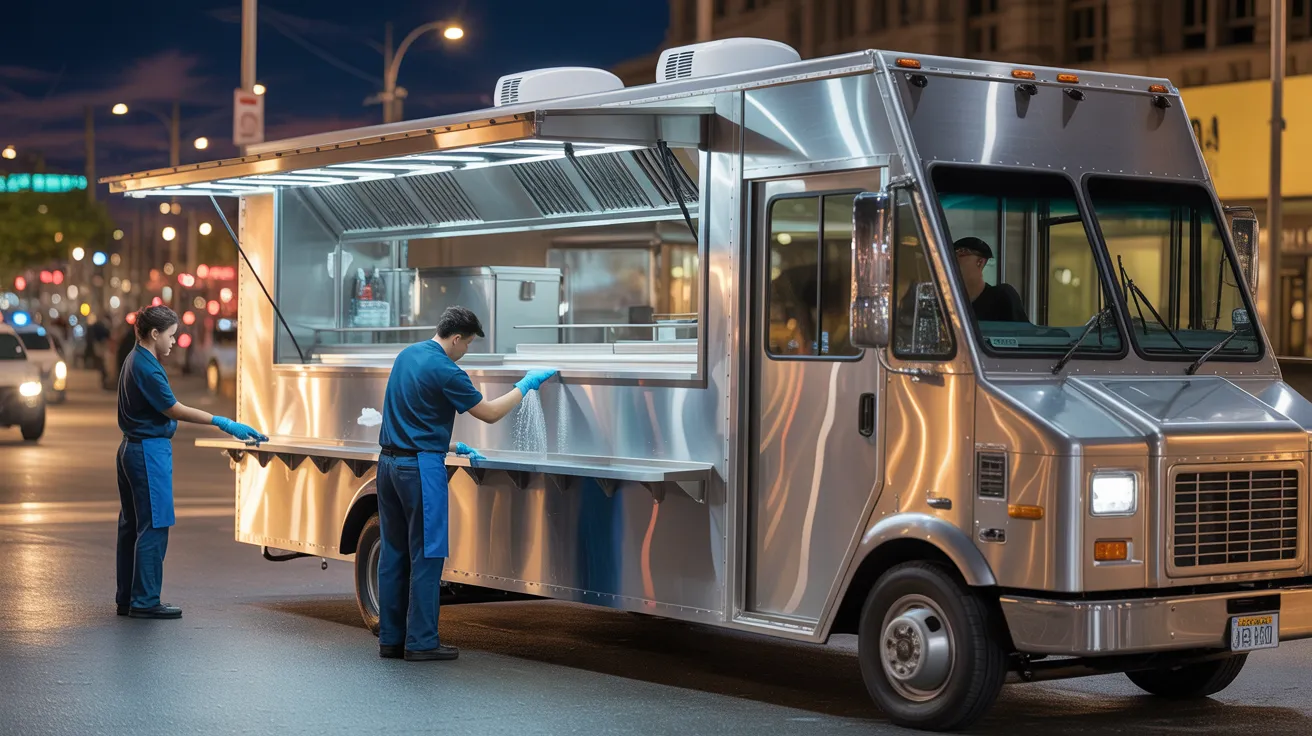
Compliant food safety cleaning is additionally essential in distribution centers, processing facilities, refrigerated storage, commercial bakeries, school meal programs, event venues, and delivery services. Mobile and temporary establishments matter too, like catering trucks, festival vendors, and pop-up food booths. Your facility needs written cleaning standards should your staff work with ingredients, section finished dishes, heat items, or keep allergens organized. In Brampton, food safety continues to be not elective; it constitutes regulatory, business, and safety requirements.
What Do Brampton Cleaning Experts Clean?
You need professional cleaners who sanitize high-touch surfaces, kitchens, floor surfaces, and restrooms to meet food safety and public health standards. They focus on these spaces because they pose the greatest danger for contamination spread, slip hazards, and sanitation breaches.
When you understand what they clean, you can ensure your operation's cleaning procedures satisfy operational and regulatory requirements.
High-Touch Surface Sanitizing
base disinfection timing considering activity levels, infection risk, and how the space is used.
verify that disinfection is successful and facilitate follow-up measures when results come outside specified thresholds
Kitchen Areas, Floor Surfaces, and Bathroom Spaces
Expect Brampton cleaning experts to focus on kitchens, floors, and restrooms because each area carries distinct food safety, slip-and-fall, and sanitation risks. In industrial kitchens, you need degreasing on cook lines, equipment exteriors, drains, prep surfaces, and splash zones to reduce bacterial growth and pest activity.
Floor care that is recorded should also be anticipated. Technicians scrub and extract buildup from grout, tile, and vinyl flooring, then apply correct drying techniques so you can reduce slip incidents and meet regulatory standards. They also address entryways where moisture and debris migrate indoors.
In restrooms, cleaners disinfect touchpoints, fixtures, partitions, dispensers, and waste containers then refill supplies and eliminate odor. They also service restaurant moprooms, where chemical storage, sink hygiene, and drainage conditions can affect sanitation compliance and staff safety daily.
Why Food Safety Cleaning Matters in Brampton
Brampton operations require food-safe cleaning standards to meet health code requirements and pass inspections. You also reduce bacterial spread through proper cleaning of food-preparation surfaces, appliances, and frequently-touched items. Most importantly, you safeguard public health by lowering the risk of foodborne illness in your facility.
Food Safety Regulations
Since Brampton food companies must follow rigorous sanitary regulations, your sanitation practices directly impacts your ability to meet health codes, safeguard diners, and eliminate regulatory penalties. You must maintain clean food preparation areas, written maintenance records, correct sanitizer application, and auditable operational standards that correspond to municipal and provincial inspection expectations.
Strong sanitation helps in managing allergens by limiting contaminants buildup on joint machinery and high-touch areas.
Contamination Control
Meeting regulatory requirements also depends on your ability to prevent cross-contamination during routine food preparation and sanitation. You must keep raw items away from prepared dishes, sanitize prep surfaces between tasks, and store chemicals away from food-contact items. Established guidelines minimize contamination chances and ensure ongoing adherence to health checks.
You could implement allergen segregation to prevent priority allergens from contacting common areas, containers, or machinery. Apply separate boards, color-marked equipment, and strict utensil labeling so staff don't mix items throughout cooking or delivery. Mandate handwashing after handling uncooked meat, fish, egg products, or allergens. Change wiping cloths regularly, and test disinfectant concentration using strips. When you train staff to follow these controls every shift, you create a cleaner, safer operation that matches Brampton's safety requirements daily.
Public Health Protection
If proper sanitation declines, you don't merely face potential inspection issues—you boost the probability of foodborne illness affecting customers, staff, and the broader Brampton region. You also weaken your role in protecting public health, especially in busy food facilities where pathogens travel quickly through surfaces, equipment, and touchpoints.
You must establish sanitation protocols that remove contaminants, sanitize properly, and confirm effectiveness. This requires following exposure times, utilizing approved disinfectants, documenting procedures, and training employees to satisfy health-unit expectations. These mechanisms support pathogen reduction by decreasing microbes before reaching food or hands. Across Brampton, effective sanitation safeguards vulnerable groups, limits outbreak risk, and demonstrates accountability. When you follow standards, you exceed regulations—you meaningfully reduce risk and enable safer food service throughout the area.
How Does Cleaning Support Food Safety Compliance?
Comprehensive cleaning schedules support food safety compliance by minimizing contamination hazards, preventing pathogen multiplication, and positioning your facility in accordance with sanitation requirements under HACCP-based programs and public health regulations. You confirm that contact surfaces remain visibly clean and microbiologically controlled, backing documented preventive controls and inspection readiness.
Diligent cleaning further reinforces allergen prevention by extracting residues that can trigger undeclared allergen exposure. When you combine approved sanitation protocols with regulatory training, your staff can adhere to uniform procedures, employ approved chemicals properly, fill out documentation accurately, and manage irregularities before escalation occurs. Ongoing cleaning promotes product tracking, establishes remedial measures, and proves due diligence during audits. It also helps you preserve product integrity, copyright compliance standards, and reduce the chances of punitive measures, product recalls, customer complaints, and preventable health hazards.
Finding When to Arrange Commercial Cleaning
spill incidents, and post-maintenance work
Schedule drain systems, vents, storage racks, and difficult-to-access zones every week or every month, based on inspection data and sanitation records.
What Should You Look For in Brampton Cleaning Experts?
Evaluate providers first by sanitation compliance standards rather than cost. You must ensure each provider understands CFIA, public health, and HACCP requirements for your business. Request proof of insurance, WHMIS compliance, staff training documentation, and supervision methods. Check technician understanding of cross-contamination risks, chemical handling, and traceable sanitation records.
You should also assess operational reliability and responsibility. Request references from food facilities in Brampton, then examine response times, corrective actions, and communication standards. Confirm the company supports supplier audits and can present audit-ready records when regulators or third parties request evidence. Check whether equipment maintenance is performed, colour-coded tools are used appropriately, and facility-specific risks are recognized. A qualified provider protects regulatory adherence, product integrity, and your brand reputation.
What aspects should a Food Safety Cleaning Plan include?
Document a framework that defines every sanitation activity, guideline, and role before starting production. You should include cleaning frequencies, approved chemicals, dilution rates, contact times, tools, and verification methods for each zone, surface, and piece of equipment. Ensure you include pre-operational inspections, corrective actions, and employee training requirements.
Your strategy should also address contamination prevention controls, waste handling procedures, pest management measures, and written schedules for rest areas, drains, flooring, and food-contact surfaces. Detail how you'll separate raw and ready-to-eat processes, facilitate ingredient tracking, and ensure accurate allergen labeling through validated cleaning between product changes. You should assign accountability, maintain signed records, and assess results against regulatory standards, HACCP controls, and customer requirements. When gaps appear, update procedures immediately and retrain staff.
Commonly Asked Inquiries
Will sanitation providers handle overnight shifts at Brampton facilities?
If you run controlled spaces, you'll also require documentation that enable audits and maintain assurance.
Can Brampton cleaning experts manage emergency spill response?
Yes, you can expect Brampton sanitation professionals who offer emergency spill response services. They handle contamination, evaluate dangers, contain contamination, and begin swift cleanup to reduce exposure and avoid operational disruption. You should verify arrival timeframes, training certifications, safety procedures, and disposal procedures. If your facility must comply with industry standards, select a service that records events, maintains regulatory procedures, and enables compliance verification.
Will green disinfectants disinfect safely surfaces contacting food?
In essence, plant-based sanitizers function safely for food-handling equipment provided you source items marked food-safe that comply with compliance requirements. Check application timing, dilution rates, and rinse protocols before use. Natural-based solutions lower chemical hazards, although you need confirmation of performance against relevant pathogens. To keep residue-free conditions, adhere to manufacturer instructions exactly and confirm the cleaning agent satisfies food industry regulations.
Can maintenance plans be adjusted for production fluctuations?
Yes, you can customize cleaning schedules for production fluctuations. You should adapt timing, personnel, cleaning agents, and confirmation procedures to align with operational cycles while maintaining compliance standards. You'll reduce equipment downtime by timing cleaning around changeovers, high demand periods, and usage cycles. You should additionally update written procedures, staff education, and environmental monitoring to reflect periodic risks, emerging allergens, or elevated soil levels. Periodic assessments keep your plan current.
Do professional cleaners instruct your team in sanitation best practices?
Certainly, professional cleaning experts coach your staff on sanitation best practices. You obtain employee development on correct chemical practices, contact times, contamination control, machine disassembly, and documentation procedures. They typically align coaching with HACCP, discussion GMP, and CFIA or local public health standards. Many execute health assessments to verify compliance, identify gaps, and strengthen corrective measures. This helps you copyright standard processes, pass inspections, and reduce food safety risks every day.
Conclusion
Through engaging Brampton food safety and commercial cleaning experts, you do far more than tidy—you ensure your facility for inspections and your standards stay aligned with regulations. From kitchen spaces to processing areas, all clean areas and kept corners help prevent pest problems and avoid major losses. Through scheduling maintenance on suitable timelines and sticking to a solid cleaning plan, you safeguard your team, clients, and your good name. In a tightly controlled regulatory landscape, proper sanitation cannot be considered optional—they are fundamental to success.